
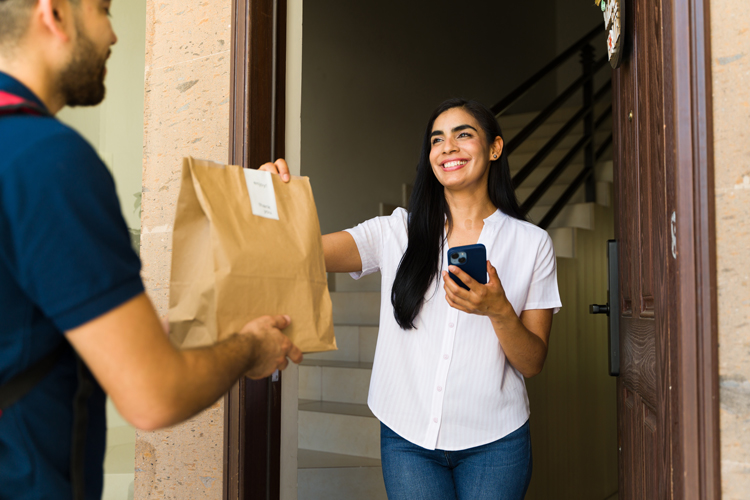
What Is Restaurant Delivery Management Software?
Delivery management software for restaurants is a POS-connected system that coordinates in-house and third-party food delivery operations within a single platform. It manages order routing, driver assignment, tracking, status updates, and guest notifications from preparation to doorstep while keeping delivery activity tied directly to restaurant transaction data.
Built specifically for foodservice environments, restaurant delivery management software connects kitchen timing, order flow, and driver coordination directly to the POS. Unlike standalone dispatch apps or marketplace-only delivery networks, it keeps delivery integrated with restaurant performance, reporting, and labor management. Delivery is not treated as a separate side system — it operates inside the same environment that runs the business.
Who Restaurant Delivery Management Software Is For
Delivery management software supports restaurants that rely heavily on off-premise orders, including QSR brands, pizza concepts, fast-casual operators, and multi-location restaurants running in-house, third-party, or hybrid delivery models.
These operations depend on delivery as a core revenue stream, not an add-on. As order volume scales across locations and channels, coordination, visibility, and consistent execution become operational requirements rather than conveniences.
Why Delivery Management Became Essential
With food and labor costs each climbing more than a third over the last five years, operators are facing sustained pressure across core expenses. At the same time, third-party delivery commissions—often ranging from 10–30% per order—cut directly into already thin margins.
When delivery operations are fragmented, the pressure falls on your team. Staff juggle tablets, manually reassign drivers, and field “Where is my food?” calls instead of focusing on guests and kitchen flow. As volume increases, stress and chaos compound. Orders pile up, drivers idle, and customers are left guessing where their food is. Every minute of delay costs time, tips, and repeat business.
Centralized delivery management reduces that pressure and protects your margins by coordinating orders, drivers, routing, tracking, and guest notifications inside one platform.
What Breaks Without Integrated Delivery Management
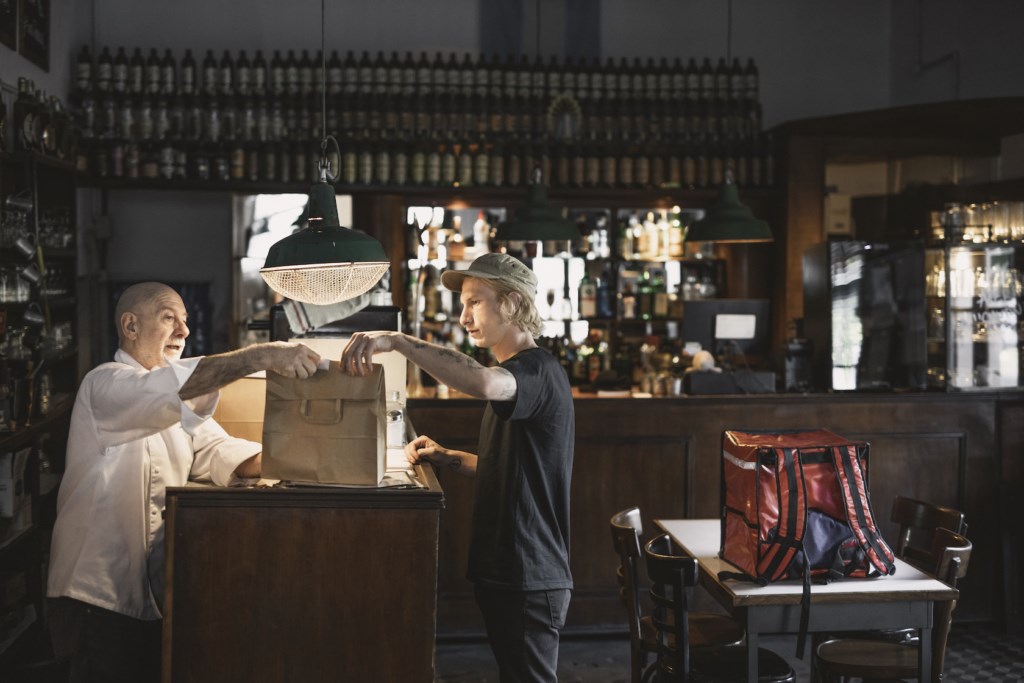
Without centralized delivery management, restaurants are forced to juggle apps, dashboards, and devices just to keep orders moving. Visibility suffers. Issues go unnoticed. Staff spend valuable time reacting instead of serving guests.
When teams lack a unified view of order timing, driver availability, and delivery status, small disruptions escalate quickly. Late deliveries, idle drivers, and missed updates create friction.
The operational result is slower deliveries, higher labor costs, frustrated drivers, and unhappy guests — often without clear insight into what went wrong.
How Delivery Management Works
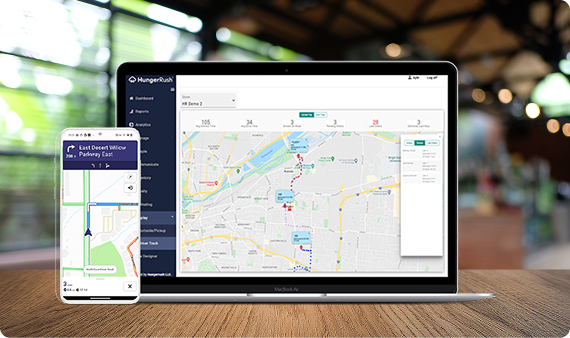
POS-native delivery management operates inside the restaurant’s core system rather than alongside it. With HungerRush, operators gain a complete delivery command center that orchestrates every delivery order across every major channel, both direct and third-party. Orders flow directly from the POS into dispatch logic, where drivers can be assigned automatically or manually based on availability and routing criteria.
From the built-in dispatch screen, operators can toggle between their own in-house drivers and third-party delivery services to handle busy periods. If in-house drivers are at capacity, they can expand coverage using Uber Direct or DoorDash Drive without switching systems or losing visibility. When in-house capacity is available, they can prioritize their own fleet. Capacity stays flexible without losing centralized control.
The system coordinates mapping, route sequencing, live tracking, and delivery status updates within the same environment. Guest notifications are triggered automatically as orders move from prep to pickup to doorstep. Alerts surface late or at-risk deliveries before they become service failures.
Because delivery operates inside the POS, operators see every order and driver in one place, whether it’s their crew or a third party. There are no extra dashboards, no blind spots, and no guessing games. Delivery becomes coordinated, measurable, and visible — not reactive.
Where Delivery Management Lives in the Tech Stack
Delivery management software for restaurants may exist as a standalone dispatch tool or as a component embedded within restaurant management software.
When embedded in the POS, order data remains centralized. Driver activity connects directly to transaction reporting. Direct and third-party delivery orders appear within the same system. Performance metrics remain consistent across locations.
This structure ensures delivery is not siloed from ordering, reporting, or financial analysis. It becomes part of the restaurant’s broader operational ecosystem rather than a separate workflow that leadership cannot fully see.
Outcomes Restaurants See With Delivery Management
Restaurants gain centralized visibility across every delivery channel, enabling faster decisions, fewer delays, and measurable performance at the order, driver, and location level.
Delivery can scale on demand. Restaurants can use their own driver fleet, Uber Direct, or DoorDash Drive interchangeably to handle volume without losing centralized oversight.
Automatic SMS updates reduce “Where’s my food?” calls, keeping guests informed and teams focused. Auto-assign and live tracking reduce mistakes and late orders, improving delivery speed and consistency.
Delivery shouldn’t erode profitability. With connected reporting and dispatch tools, operators stay in control of costs, timing, and guest experience.
“All of our third-party orders flow directly into one system. We’re not juggling tablets or re-entering tickets. It keeps our drive-thru moving and gives us full visibility across locations.”
— Mark Horn Jr., Director of Franchise Operations
What HungerRush Delivery Management Can Do For Your Operations
HungerRush is a leading provider of integrated restaurant technology solutions, supporting single-location operators and multi-unit brands alike. Delivery management is built directly into its cloud-based POS platform, alongside digital ordering, guest engagement, reporting, marketing, and payment processing.
This integration allows restaurants to run in-house and third-party deliveries in sync, from prep to doorstep, without separating delivery from the rest of the operation. This reflects real-world usage in high-volume delivery environments where visibility, control, and operational efficiency are essential.


